Content marketing is more than just writing blogs or posting on social media; it is about creating meaningful, valuable content that attracts, informs, and converts potential customers into loyal clients. In today’s crowded digital marketplace, content is the key to standing out and establishing authority.
The primary purpose of content marketing is to educate and engage audiences. Instead of pushing hard sales messages, brands provide solutions, insights, and information that address customer needs. For example, a fitness brand might share healthy recipes, workout tips, or motivational stories. This approach builds trust while keeping the brand top-of-mind.
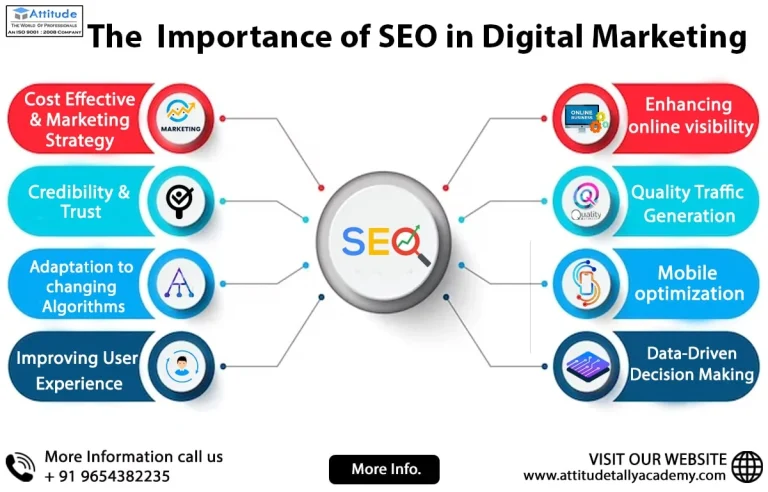
High-quality content also plays a vital role in SEO. Search engines reward websites that publish relevant, optimized, and user-friendly content. Blogs, articles, and videos not only attract visitors but also improve rankings, making it easier for people to find your brand.
Another strength of content marketing is its long-term impact. Unlike paid ads that stop when the budget ends, evergreen content continues to generate traffic and leads for months or even years. This makes content a cost-effective strategy with lasting benefits.
Content marketing also supports customer journey stages. Informative blog posts build awareness, detailed guides and case studies help in consideration, and testimonials or product demos drive final conversions. By aligning content with buyer intent, businesses can move prospects smoothly through the sales funnel.
Moreover, different formats—blogs, videos, podcasts, infographics, and eBooks—allow brands to reach audiences in the way they prefer to consume information. Versatility makes content marketing adaptable to any industry or target group.
Ultimately, content marketing is about creating value first. When customers see a brand as a helpful resource, they are more likely to trust, engage, and purchase. It’s not just marketing—it’s relationship building.