
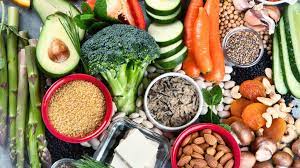
Protein has become the buzzword of the fitness world. From protein shakes and bars to high-protein diets and supplements, it seems everyone is chasing this powerful macronutrient. But how much protein do you really need? The answer isn’t the same for everyone. It depends on factors like age, activity level, and fitness goals. Let’s break it down and uncover the truth about protein.
Why Protein Matters
Protein is one of the three essential macronutrients, along with carbohydrates and fats. It is often called the “building block” of the body, and for good reason:
- Muscle repair and growth: Every time you exercise, especially with strength training, you create small tears in your muscle fibers. Protein helps repair and rebuild them, making you stronger.
- Hormone and enzyme production: Protein plays a role in producing hormones and enzymes that regulate everything from digestion to metabolism.
- Immune function: Antibodies are proteins that help protect your body from illness and infection.
- Satiety and weight management: Protein keeps you feeling full longer than carbs or fats, helping with appetite control and fat loss.
Clearly, protein is not just for bodybuilders—it’s vital for everyone.
How Much Protein Do You Actually Need?
The recommended daily allowance (RDA) for protein is 0.8 grams per kilogram of body weight (about 0.36 grams per pound). However, this guideline is designed to prevent deficiency, not necessarily to optimize performance, weight loss, or muscle growth.
1. Sedentary Adults
If you don’t exercise regularly, 0.8 g/kg is generally enough to maintain basic bodily functions. For a 70 kg (154 lb) person, that’s about 56 grams of protein per day.
2. Active Individuals
For people who exercise moderately (jogging, yoga, cycling a few times per week), the range goes up to 1.2–1.6 g/kg. This helps with recovery and maintaining lean muscle.
3. Strength Training or Muscle Building
If you lift weights, play sports, or train intensely, you’ll need more—1.6–2.2 g/kg is considered optimal for muscle growth. For that same 70 kg person, this means 112–154 grams daily.
4. Weight Loss Goals
When in a calorie deficit, protein becomes even more important because it helps preserve muscle mass while burning fat. Around 1.8–2.2 g/kg is often recommended.
5. Older Adults
As we age, muscle mass naturally declines. To counter this, older adults may benefit from 1.2–2.0 g/kg, even if not very active.
What Does That Look Like in Real Food?
Hitting your protein target doesn’t mean chugging shakes all day. Here are some everyday examples of protein-rich foods:
- Chicken breast (100g): 31g
- Eggs (2 large): 12g
- Greek yogurt (200g): 20g
- Lentils (1 cup cooked): 18g
- Paneer/Cottage cheese (100g): 14g
- Tofu (100g): 10g
- Whey protein scoop: ~20–25g
By combining these sources throughout the day, you can easily meet your protein needs without relying only on supplements.
Common Myths About Protein
1. “Too much protein will damage your kidneys.”
This myth persists, but studies show that for healthy individuals, higher protein intake is safe. Those with existing kidney disease should be cautious, but for most people, protein is not harmful.
2. “You can’t absorb more than 30g of protein per meal.”
Your body can digest and utilize more than that, but spreading protein intake evenly across meals helps maximize muscle protein synthesis.
3. “Vegans can’t get enough protein.”
While plant-based proteins may be slightly lower in certain amino acids, combining foods like beans, rice, lentils, nuts, and soy can provide complete protein needs.
Signs You’re Not Getting Enough Protein
- Constant fatigue and low energy
- Loss of muscle mass or strength
- Slow recovery from workouts
- Hair loss or brittle nails
- Increased hunger and cravings
If you recognize these signs, it may be time to reassess your diet.
Practical Tips to Hit Your Protein Goals
- Start your day with protein: Eggs, Greek yogurt, or protein oats.
- Snack smart: Choose nuts, protein bars, or roasted chickpeas.
- Prioritize at meals: Make protein the centerpiece, with carbs and fats as sides.
- Plan ahead: Pre-cook chicken, lentils, or tofu for quick access.
- Consider supplements: Whey, casein, or plant-based powders can help fill gaps, but they’re not mandatory.
Final Thoughts
Protein is essential for everyone—not just athletes. The exact amount you need depends on your body weight, activity level, and fitness goals. While the average sedentary person may get by with the RDA, active individuals and those aiming for muscle growth or fat loss require more.
The key is balance: spread protein intake across meals, use both whole foods and supplements if needed, and listen to your body. Once you understand your true protein needs, you’ll not only boost your fitness results but also improve your health, energy, and overall well-being.