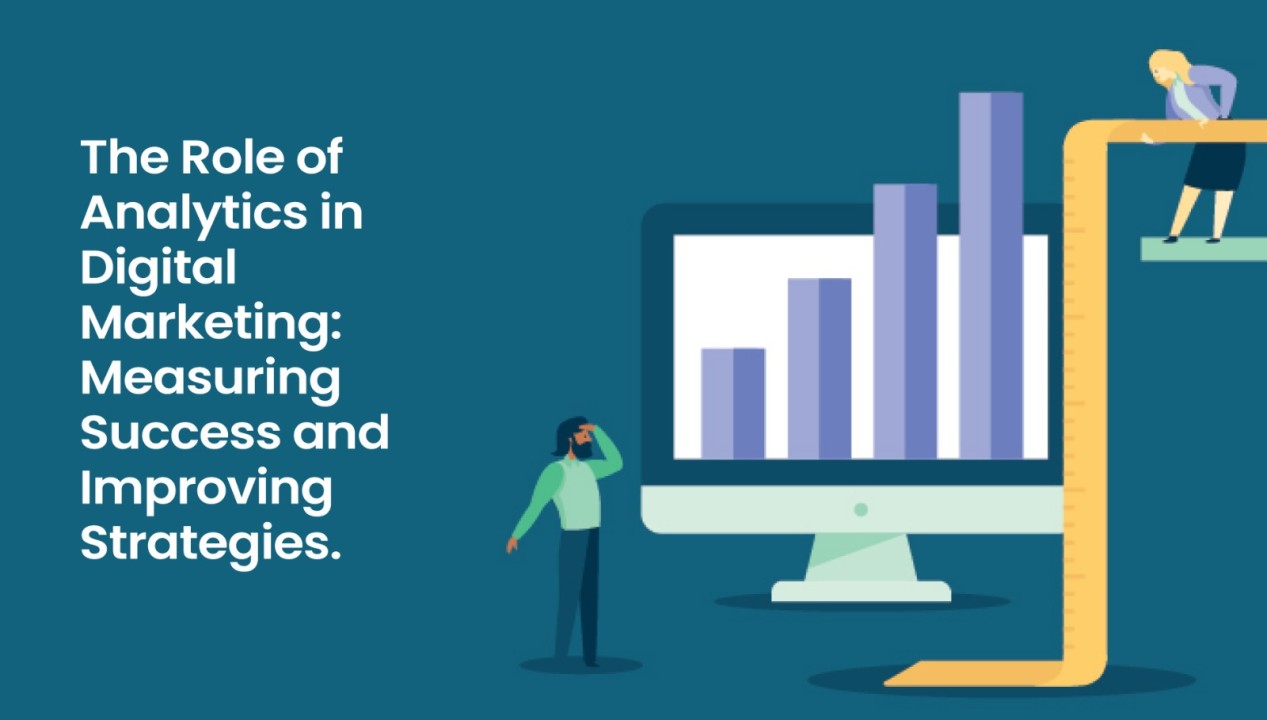
In digital marketing, data is power. Analytics plays a crucial role in helping businesses understand their audience, measure campaign effectiveness, and make informed decisions for sustainable growth. Without analytics, marketing becomes guesswork; with it, every strategy can be refined for better results.
One of the biggest benefits of analytics is tracking user behavior. Tools like Google Analytics, Facebook Insights, and HubSpot allow businesses to see how visitors interact with their website or campaigns. Metrics such as page views, bounce rates, and time spent on site reveal what’s working and what needs improvement.
Analytics also helps in identifying the right audience. By analyzing demographic data, interests, and online behavior, businesses can segment their target groups more effectively. This ensures marketing messages are personalized, relevant, and impactful, leading to higher engagement and conversions.
Another key advantage is performance measurement. Every campaign—whether SEO, social media, or PPC—can be tracked in real-time. Businesses can measure ROI, conversion rates, and customer acquisition costs, ensuring that marketing budgets are spent wisely.
Predictive analytics takes this a step further by using historical data to forecast future trends. For instance, e-commerce brands can predict which products will sell best during the holiday season, allowing them to plan campaigns and inventory efficiently.
Analytics also supports continuous improvement. A/B testing different ads, landing pages, or email subject lines provides insights into what resonates with audiences. Marketers can then fine-tune strategies to maximize performance.
Ultimately, analytics turns raw data into actionable insights. It empowers businesses to move beyond assumptions and adopt a data-driven approach. By leveraging analytics, companies can improve decision-making, strengthen customer relationships, and achieve consistent digital marketing growth.